
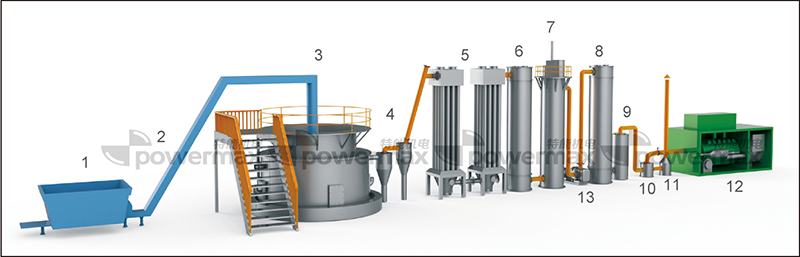
- 1. Biomass Storage
- 2. Biomass Conveyor
- 3. Biomass Gasifier
- 4. Cyclone Dust Collector
- 5. Air Cooler
- 6. Gas Cooler
- 7. ESP
- 8. Gas Cooler
- 9. Gas Dryer
- 10. Buffer Tank
- 11. Gas Flare
- 12. Gas Generator Sets
- 13. Blower

Powermax DFBG Series: Industrial Downdraft Fixed Bed Gasifier for Biomass Power Generation
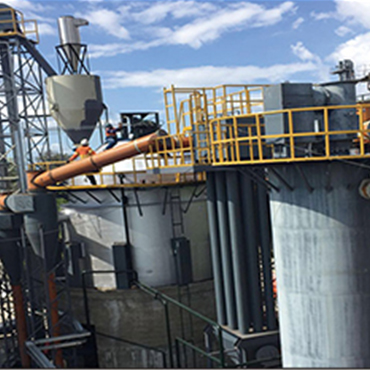
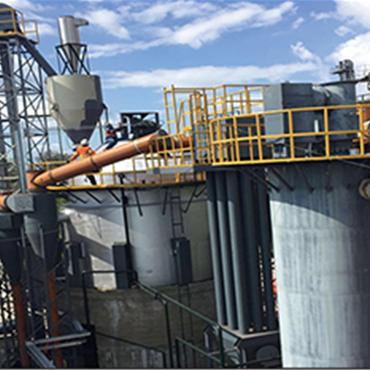
Powermax DFBG Series: Industrial Downdraft Fixed Bed Gasifier for Biomass Power Generation

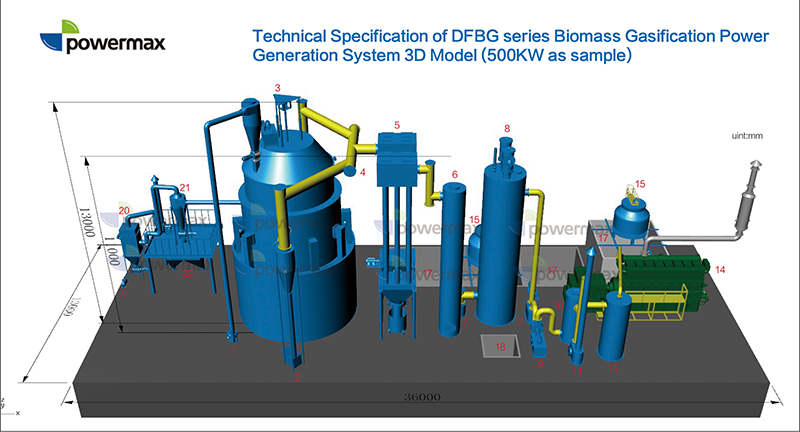
Our Downdraft Fixed Bed Gasifier (DFBG) system is a complete biomass gasification power generation solution. It integrates smoothly from Biomass Storage (1) to the Gas Generator Sets (12) to ensure high-efficiency power output.
Check the technical specifications of our DFBG series biomass gasifier generator systems below:
Technical Specification of DFBG series Biomass Gasification Power Generation System
| Model | 50DFBG | 100DFBG | 200DFBG | 300DFBG | 400DFBG | 500DFBG | 600DFBG | 800DFBG | 1000DFBG |
| Rated Power(kw) | 50 | 100 | 200 | 300 | 400 | 500 | 600 | 800 | 1000 |
| Rated Frequency | 50 /60 HZ | ||||||||
| Rated Voltage(V) | 220 / 400 / 440 / 6300 / 6600 / 11000 /13800 | ||||||||
| Model of Gasifier | DFBG50 | DFBG100 | DFBG200 | DFBG300 | DFBG400 | DFBG500 | DFBG600 | DFBG800 | DFBG1000 |
| Gasifier Type | Downdraft Fixed Bed Gasifier | ||||||||
| Biomass Moisture Requirement | ≤16%(wet basis) | ||||||||
| Biomass Size Requirment | Less than 1cm | ||||||||
| Biomass Consumption(Kg/hr) | 50-100 | 100-200 | 200-400 | 300-600 | 400-800 | 500-1000 | 600-1200 | 800-1600 | 1000-2000 |
| Gas Production(Nm3/h) | 125-150 | 250-300 | 500-600 | 750-900 | 1000-1200 | 1250-1500 | 1500-1800 | 2000-2400 | 2500-3000 |
| Ash Discharge Type | Dry Ash Type | ||||||||
| Type of Gas Purification | Dry Type Gas Purification System | ||||||||
| Heat Value of Gas | ≥1100Kcal/Nm3 | ||||||||
| Gas Composition | CO-15~20%, CO2-8~12%, CH4-upto 4% H2-10~15% N2-45~55% | ||||||||
| Model of Gensent | 50GFLS | 100GFLS | 100GFLS | 300GFLS | 400GFLS | 500GFLS | 300GFLS | 400GFLS | 1000GFLS |
| Qty of Genset | 1 | 1 | 2 | 1 | 1 | 1 | 2 | 2 | 1 |
-
1MW DFBG POWER PLANT
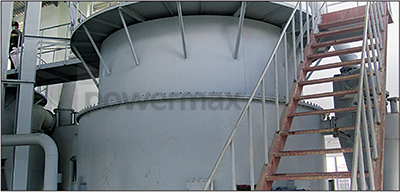
-
1MW DFBG POWER PLANT-2
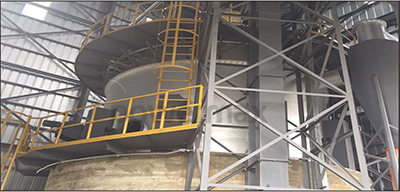
-
1MW DFBG POWER PLANT
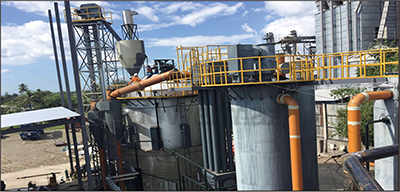
-
0.8MW DFBG POWER PLANT
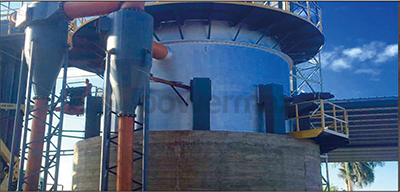




How the Powermax DFBG System Works: A Complete Biomass-to-Energy Solution
Our Downdraft Fixed Bed Gasifier (DFBG) series is designed for high-efficiency thermal conversion. The process begins with the Biomass Fuel Blower (1) and Conveyor (2) delivering feedstock into the Gasifier (3). Inside the fixed bed, biomass undergoes drying, pyrolysis, and oxidation to produce high-quality syngas.
To ensure the engine's longevity, the gas passes through a multi-stage Gas Purification System, including Cyclone Dust Collectors (4, 21), Indirect Coolers (6), and an ESP (Electronic Static Precipitator) (8) to remove tar and dust. The clean gas is then stabilized in the Buffer Tank (13) before entering the Gas Generator Set (14) for stable power output. This integrated Biomass Gasification Power Plant ensures a tar-free, environmentally friendly, and continuous energy supply.
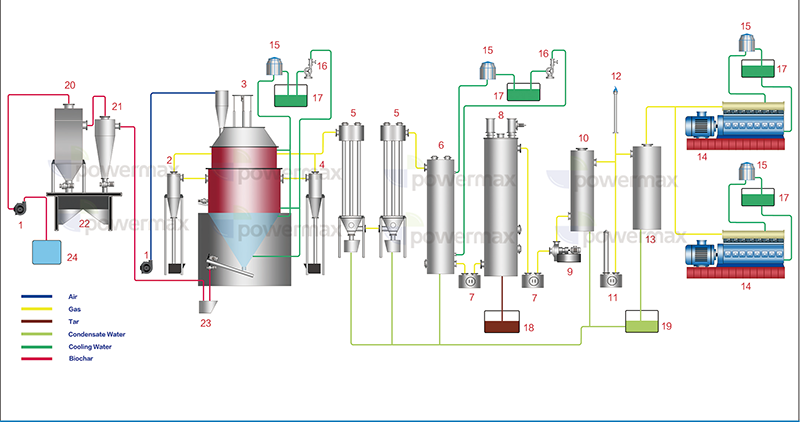
- 1.Biomass Fuel Blower
- 2.Cyclone
- 3.Gasifier
- 4.Cyclone
- 5.Air Cooler
- 6.Indirect Cooler
- 7.Isolation Seal
- 8.ESP
- 9.Booster Fan
- 10.Water Drop Catcher
- 11.Water Bleeding
- 12.Gas Flare
- 13.Buffer Tank
- 14.Gas Generator Set
- 15.Cooling Tower
- 16.Water Pump
- 17.Cooling Water Poo
- 18. Tar Tank
- 19.Condensate Water Pool
- 20.Pulse Dust Collector
- 21.Cyclone Dust Collector
- 22.Ash Tank
- 23.Ash Discharge Transition Hopper
- 24.Water Tank
Frequently Asked Questions (FAQ)
Q1: What are the primary advantages of a Downdraft Fixed Bed Gasifier compared to other types?
A: The main advantage of the downdraft gasifier is its exceptionally low tar content in the produced gas. Because the volatiles pass through a high-temperature charcoal bed, most tars are thermally cracked. This makes the gas much easier to clean and ideal for fueling internal combustion gas generator engines.
Q2: What kind of biomass fuel can be used in the Powermax DFBG system?
A: Our DFBG series is versatile and can process various biomass wastes, including wood chips, coconut shells, corn cobs, and nut shells. For optimal performance, the biomass size should be less than 1cm, and the moisture content must be controlled below 16% (wet basis).
Q3: What is the typical gas composition and heat value?
A: The gas produced by our DFBG system typically consists of CO (15-20%), H2 (10-15%), and CH4 (up to 4%). The lower heating value (LHV) is ≥1100 Kcal/Nm³, providing a stable and high-quality fuel source for our 50kW to 1000kW generator sets.
Q4: How does the system handle ash and tar removal?
A: The system features a Dry Ash Discharge type for easy maintenance and a Dry Type Gas Purification System (including Cyclone, Air Cooler, and ESP). This ensures that the gas entering the engine is free of dust and moisture, extending the lifespan of your power plant equipment.
Feedback form contact with us